Top 5 Solar Panel Myths Debunked: The Truth About Solar PV
As energy bills continue to rise, solar photovoltaic (PV) panels are becoming a popular way for UK homeowners to reduce their carbon footprint and save money. However, several myths still prevent people from making the switch. In this guide, we separate fact from fiction regarding solar energy.
Why Solar Matters More During Price Volatility
Solar is becoming even more relevant as global events continue to put pressure on energy markets and household bills. While no system can eliminate every utility cost, generating more of your own electricity at home can help reduce your reliance on volatile grid prices and give you more control and predictability over your long-term energy spend.
Investing in solar PV essentially allows you to “lock in” your electricity rate. By generating your own power on-site, and storing it with a battery, you reduce your reliance on external suppliers and shield yourself from increasing household energy bills.
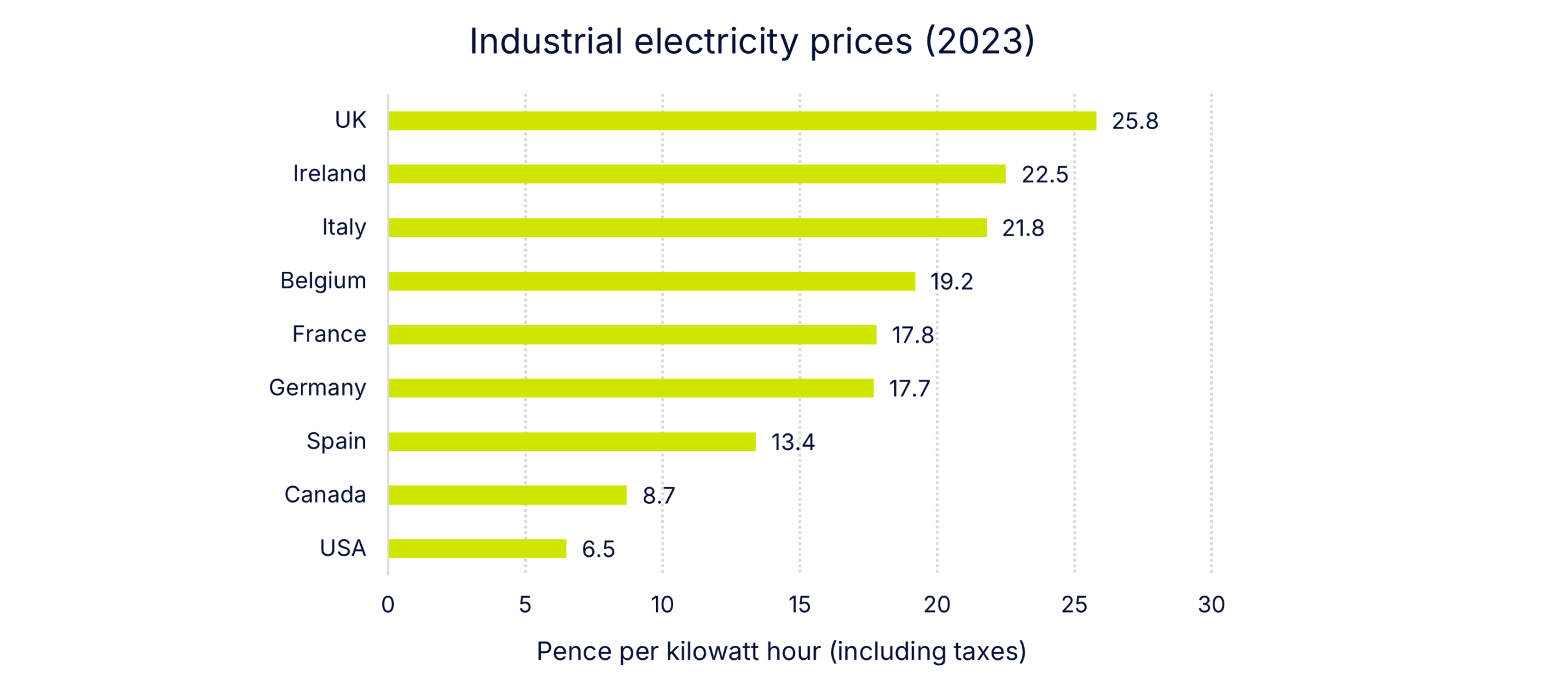
Key reasons why solar is protection against inflation:
- Fixed-Cost Energy: While the price of gas and grid electricity can rise overnight, the sun remains free. Once your system is installed, the “unit price” of the energy you generate stays the same for the lifespan of the panels (often 25–30 years).
- Higher Return on Investment (ROI): As grid electricity prices rise, the value of every kilowatt-hour (kWh) your panels produce increases. This shortens the “payback period” of your installation, making solar a more rewarding investment during high-inflation periods.
- Protection Through Storage: Pairing solar panels with a battery storage system allows you to store excess energy generated during the day. This means you can avoid drawing from the grid during “peak” hours when prices are at their highest, further insulating you from price spikes.
By transitioning to solar, you shift from being a passive consumer at the mercy of energy markets to an active producer with control over your home’s long-term financial health.
Boosting Your Efficiency with Solar Batteries
While solar panels generate energy during the day, you can maximise your savings with a solar battery.
- Store Excess Power: Batteries store the energy you don’t use during the day so you can power your home at night.
- Gain Greater Energy Independence Total Reliability Stay By using more of your own stored solar energy, you can rely less on electricity from the grid, especially during the evening when energy usage and rates are often highest.
- Complete Reliability: Most UK solar systems remain “grid-tied”, which means you automatically switch back to the national grid if your stored energy runs out, so you are never without power
Conclusion: Is Solar Right for You?
Solar panels have dropped in price consistently since 2011 and remain one of the best ways to mitigate climate change while slashing your energy bills. With an expected lifespan of 30 to 50 years, they are a long-term investment that pays for itself in both savings and sustainability.
Contact us today
Get in touch to discover how our energy solutions can lower your bills and improve your home.