Thinking of Getting Solar Panels? Key Considerations for Your Home
Switching to solar energy is an increasingly popular way to reduce your carbon footprint and save on energy bills. However, installing a solar photovoltaic (PV) system is a significant decision. Here are the key factors you should consider to determine if solar is right for your home.
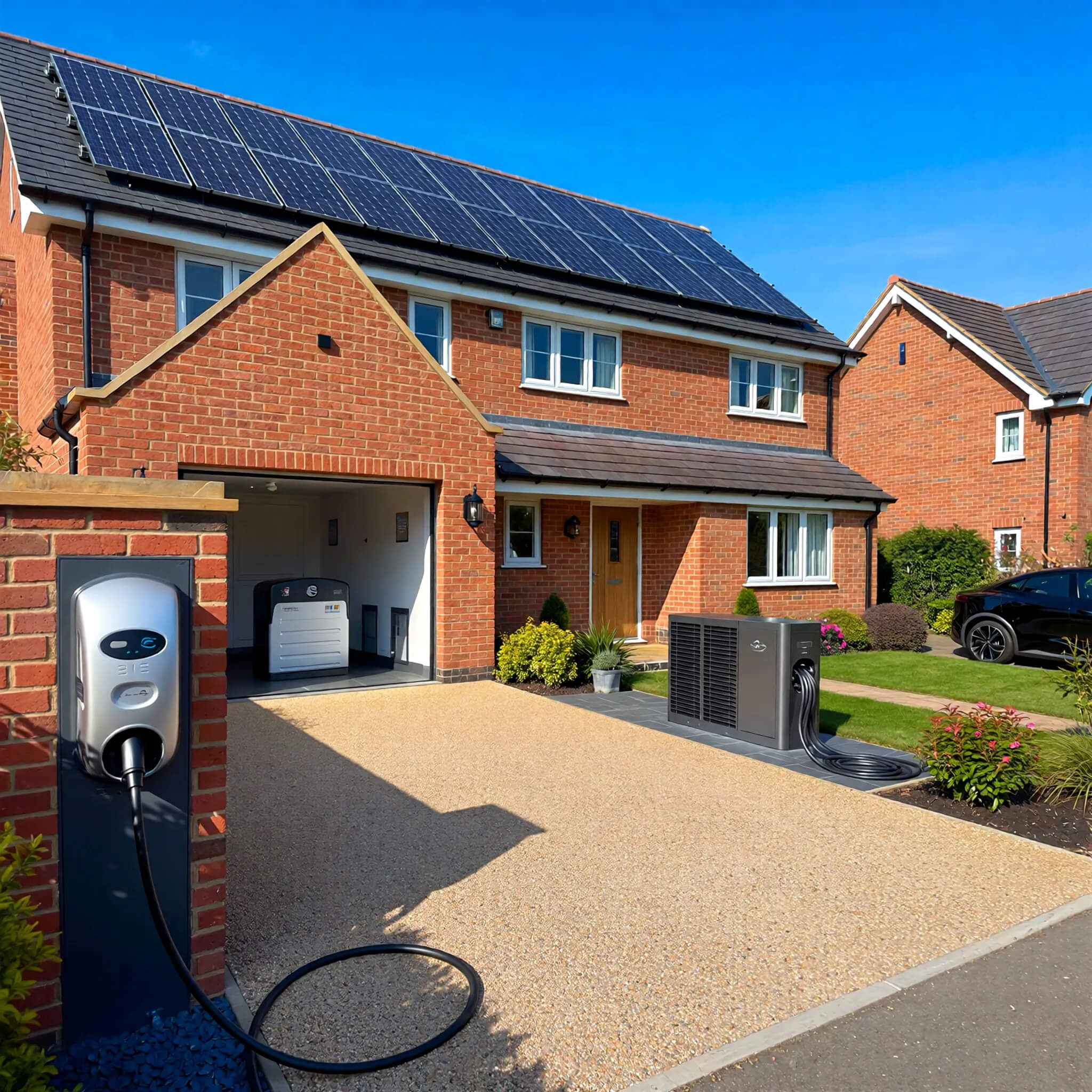
Is Your Property Suitable?
Before diving into costs, you must assess if your home can physically support and benefit from solar panels:
- Ownership: You must own your property to have panels fitted to the roof.
- Roof Type and Space: Panels are best suited for houses with adequate personal roof space; they are generally not a solution for flats or apartments.
- Orientation and Shade: A south-facing roof is ideal for maximum sun exposure, though east or west-facing roofs are also viable. Your roof should not be north-facing or heavily shaded by trees or chimneys, as this drastically reduces efficiency.
- Structural Integrity: Your roof must be strong enough to support the extra weight of the panels. An inspection of the rafters is often necessary before installation.
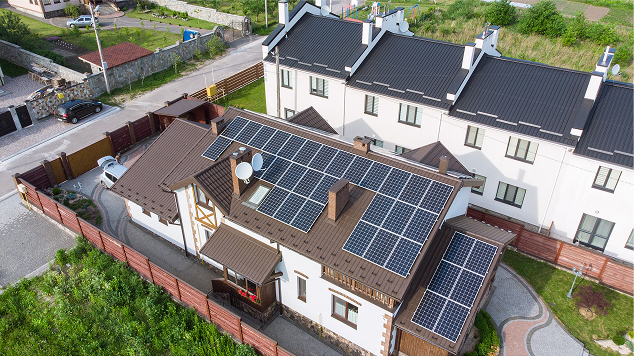
Financial Investment and Savings
The financial aspect is often the biggest consideration for homeowners:
- Upfront Cost: In the UK, a 10-panel system for a 3-bedroom house costs approximately £5,420 on average.
- Breaking Even: It typically takes between 10 and 20 years to break even on your initial investment through energy savings.
- Smart Export Guarantee (SEG): You can earn money by selling excess energy you don’t use back to the national grid.
- Grants: Government grants may be available for those on low incomes or receiving benefits, potentially covering the installation costs for free. The upcoming Warm Homes Plan government initiative significantly expands support for solar energy.
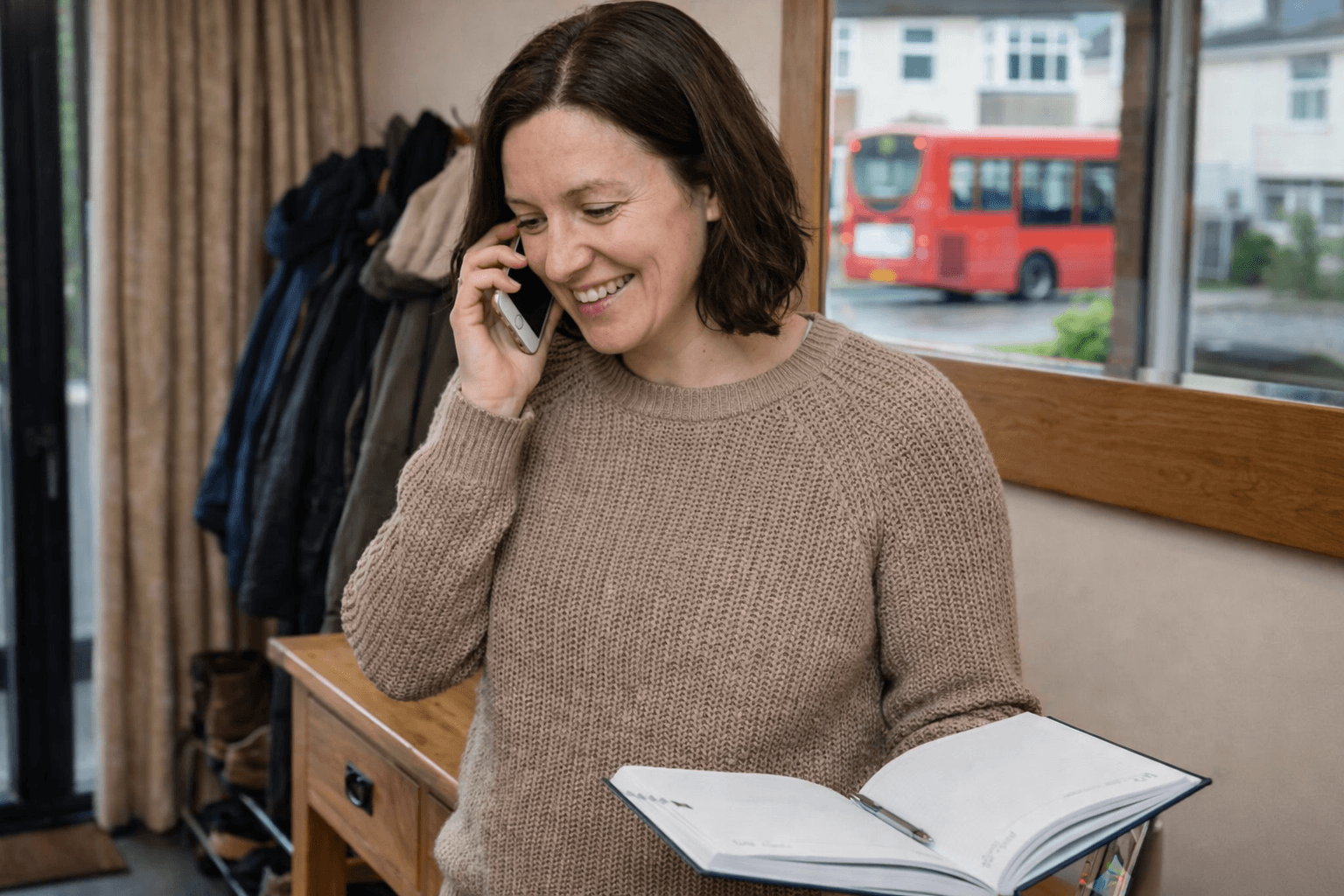
Maximising Efficiency with Add-ons
Standard solar panels generate the most electricity when the sun is out. To get the most out of your system, consider these additions:
- Solar Batteries: These store excess energy generated during the day for use at night or when it’s overcast. This is especially crucial if you are out of the house during daylight hours.
- Immersion Heaters: You can divert excess solar electricity to an immersion heater to provide hot water for your property.

Maintenance and Longevity
Modern solar panels are a long-term investment with an expected lifespan of 30 to 50 years. Maintenance is relatively minimal but important:
- Annual Visual Checks: Check the inverter for error codes and ensure no new vegetation is shading the panels.
- Professional Servicing: A full technical check every five years is recommended to ensure the system is still generating at its peak voltage.
- Cleaning: Keeping panels clean of dirt and lichen ensures they remain effective and aesthetically pleasing.
Contact us today
Get in touch to discover how our energy solutions can lower your bills and improve your home.