How to Care for Your Newly Installed Solar Panels: Maintenance & Cleaning Guide
If you’re reading this, chances are you’ve recently had fresh solar panels installed on your home. Moving to solar PV is one of the smartest ways to shield your household from volatile grid prices and dramatically reduce your carbon footprint.
While modern solar installations are incredibly durable and boast an expected lifespan of 30 to 35+ years, giving them the right care from day one can extend their longevity and maximise your savings even further.
To help you protect and care for your newly installed solar panels and maintain peak electrical output, we have compiled the ultimate guide to long-term solar care.
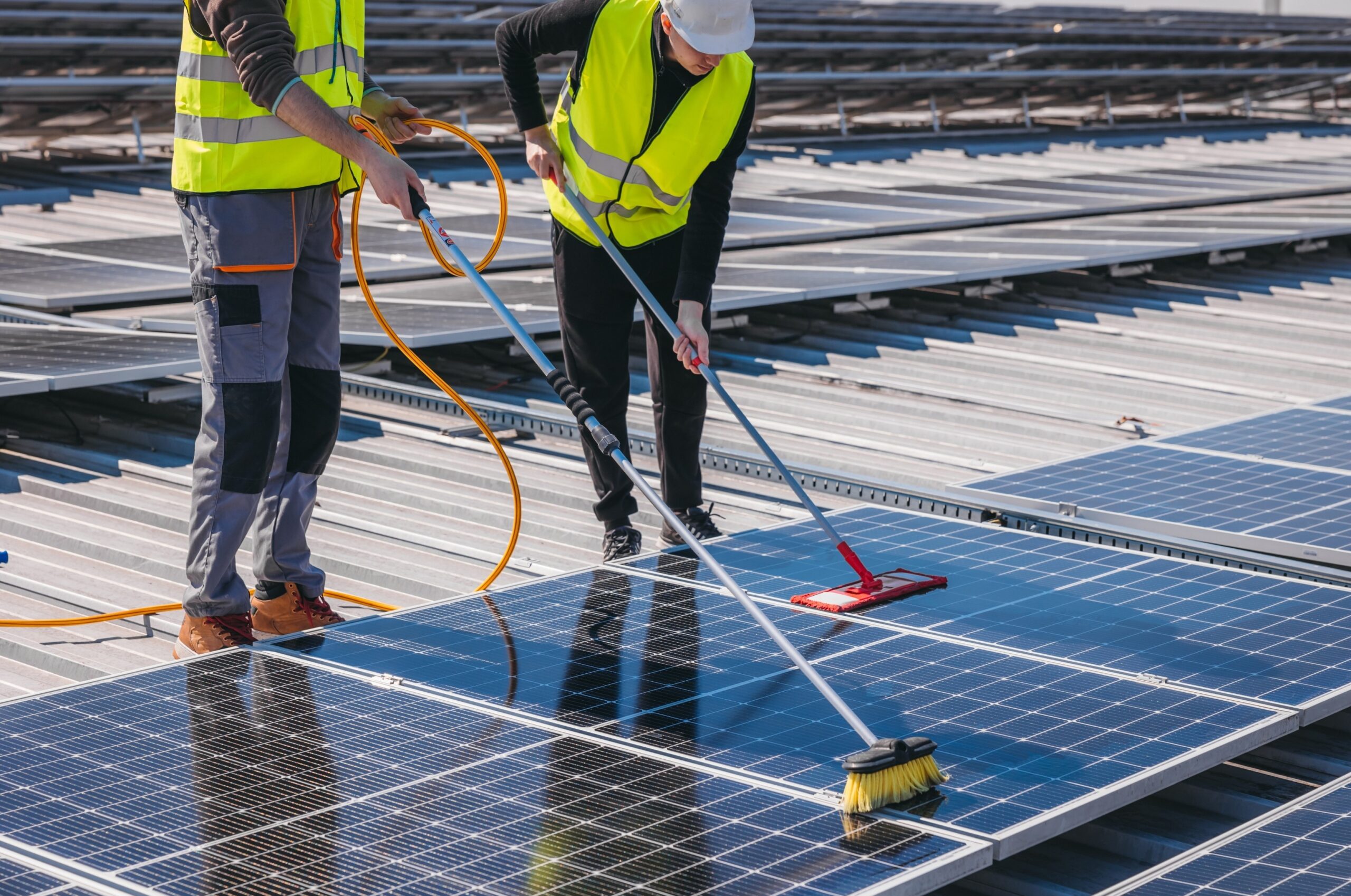
1. Establish a Regular Check-Up Schedule
Solar panels don’t require daily attention, but keeping an eye on your system ensures minor issues don’t become major problems. We recommend a structured check-up routine:
- Annual Visual Inspections: Once a year, look at your inverter to check for any error codes. At the same time, look up at your roof to check for overhanging or fast-growing vegetation. Shading from nearby trees can severely lower your daily efficiency.
- Professional 5-Year Service: Every five years, hire a qualified contractor to perform an in-depth maintenance check. A professional will run a full voltage and current test on your array to ensure it is generating electricity safely and at the exact same high capacity as the day it was installed.
(Note: If you have a solar hot water or thermal system instead of a standard PV system, a professional service is required every 5 years to flush and replace the glycol antifreeze liquid inside the collectors).
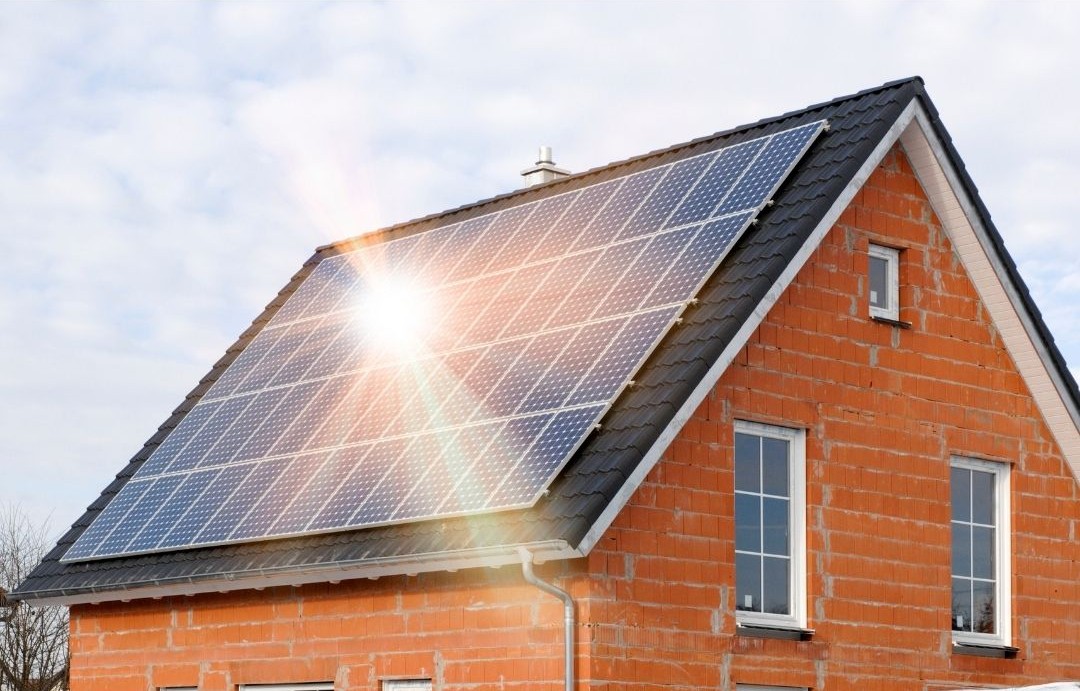
2. Safe and Effective Solar Panel Cleaning
Over time, wind brings dirt, debris, and resilient organisms like lichen or algae onto the protective glass layer of your panels. A heavy build-up blocks light and forces your solar system to underperform.
If you notice a drop-off in your generation or visible grime on your roof, here is how a specialist cleaning contractor should safely clean them:
- Safety First: Working on roofs can be incredibly dangerous and slippery. If you do not have safe access, it is always best to hire a reliable, professional solar panel cleaning service.
- Turn the System Off: Before applying a drop of water, always safely switch off your solar panel system.
- Use Gentle Detergents: You do not need harsh chemicals. A soft cloth paired with basic washing up liquid or a mild vinegar mixture is highly effective at washing away stubborn lichen.
- Never Use Pressure Washers: Avoid using a jet or pressure washer at all costs. High-pressure streams can crack the protective surface glass and cause irreversible internal damage to the electrical system.
- Air Dry Before Re-activating: Let the panels fully air dry naturally before flipping the switch to turn your system back on.
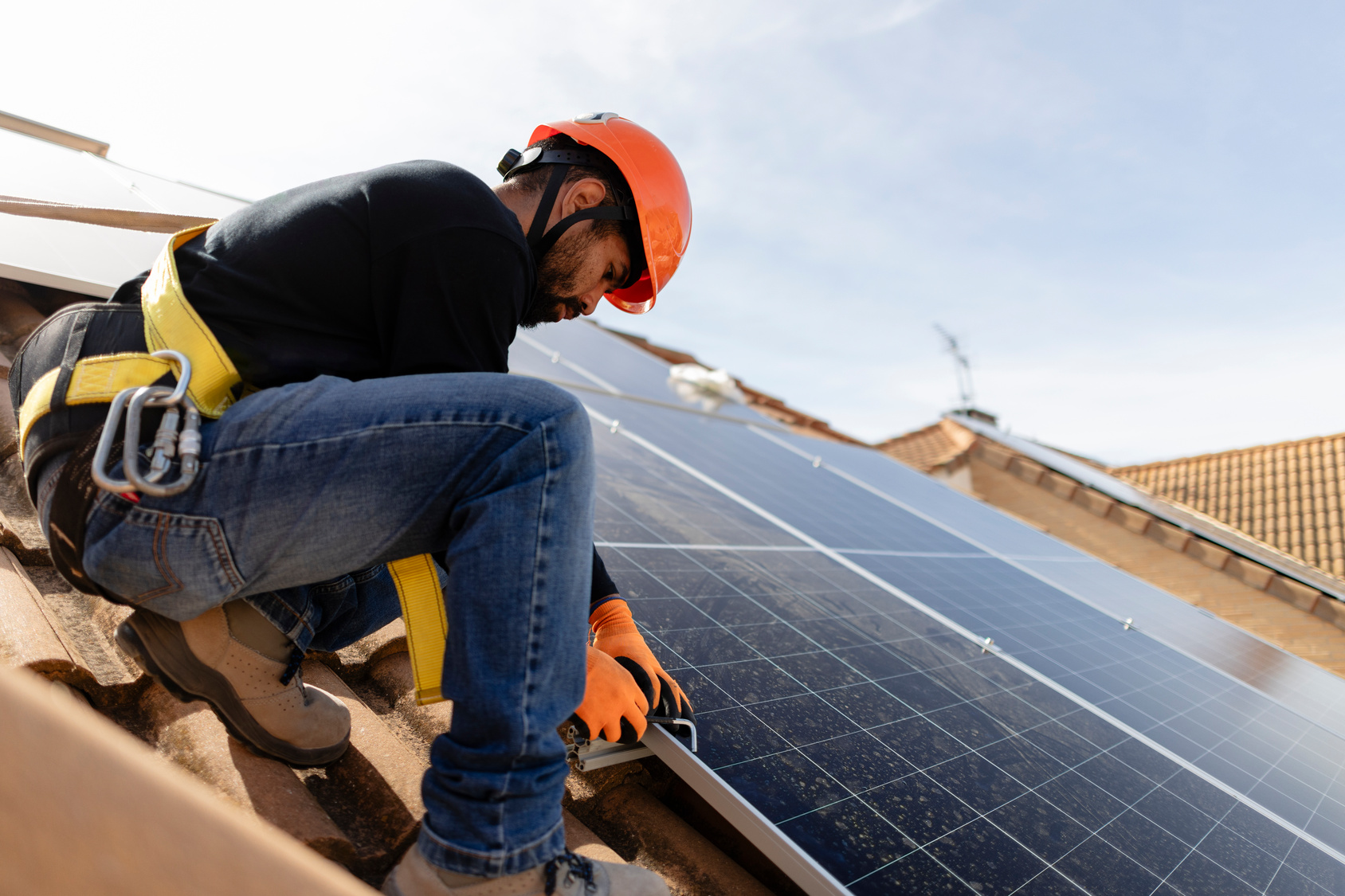
3. Guard Against Pest and Bird Damage
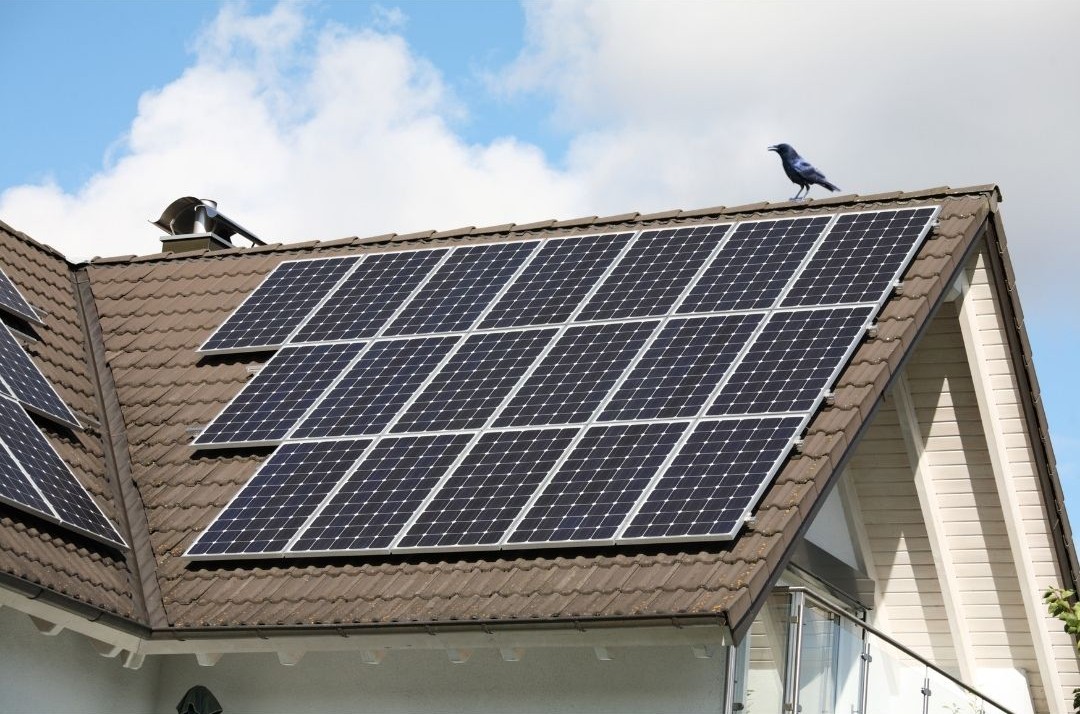
Because solar panels are slightly elevated above your roof tiles, they naturally create a warm, sheltered void underneath them. This makes your roof a prime target for nesting birds.
Pigeons and other birds can drastically reduce system efficiency through their acidic droppings, which can erode your panels and wiring, or by physically pecking through cables and scratching surfaces. While not a requirement of a standard installation, you may want to consider these optional deterrents to keep your roof clear:
- Solar Mesh: This wire mesh clips securely onto the edge of your panels to block the gap between the panel and the roof. It is easily removable, won’t cause damage, and is practically invisible from the ground.
- Solar Skirts: A sleeker, modern alternative to mesh, these black sheets fit at a diagonal angle from the panels to your roof. Beyond stopping birds, they also provide a high-end finish and prevent windblown dirt from gathering underneath your array.
- Bird Spikes: Made of durable plastic or stainless steel, bird spikes are a humane, RSPB-endorsed way to prevent birds from landing or roosting on your roof area in the first place
Solar Panel Care Summary
Taking care of your solar panels doesn’t require a lot of time or money, but consistency is key. By scheduling visual checks, organising a professional service every five years, and cleaning away dirt safely, you ensure your clean energy system operates at maximum efficiency for decades to come.
Solar Panel Maintenance & Cleaning Schedule
| Timeframe | Task Type | What to Do | Purpose |
| Ongoing / As Needed | Cleaning | Wash panels using a soft cloth, mild washing up liquid/vinegar, and water. Never use a pressure washer. | Removes dirt, dust, and stubborn lichen or algae that block sunlight and lower efficiency. |
| Annually (Once a Year) | Visual Check | Inspect your solar inverter for any error codes. Check the roof for fast-growing trees or vegetation causing shading. | Catches system errors early and prevents trees from blocking your panels’ access to sunlight. |
| Every 5 Years | Professional Service | Hire a qualified contractor to perform a full voltage and current test on your array. | Ensures the system is operating safely and generating electricity at peak capacity. |
| Every 5 Years (If applicable) | Thermal Service | Flush and replace the glycol antifreeze liquid inside the collectors (only required for solar hot water/thermal systems, not standard PV). | Prevents system freezing or overheating and maintains hot water heating efficiency. |
Solar Panel Maintenance FAQs
Contact us today
Get in touch to discover how our energy solutions can lower your bills and improve your home.