‘If They’re Good Enough in Canada, They’re Good Enough in Manchester’:
How Karen Overcame Her Heat Pump Hesitations
Like any homeowner who takes pride in their property, Karen had her hesitations about upgrading to low-carbon heating. With so many lingering myths about heat pumps, including whether they can cope with cold winters or how much they cost to install, she wasn’t sure if making the switch was right for her home.
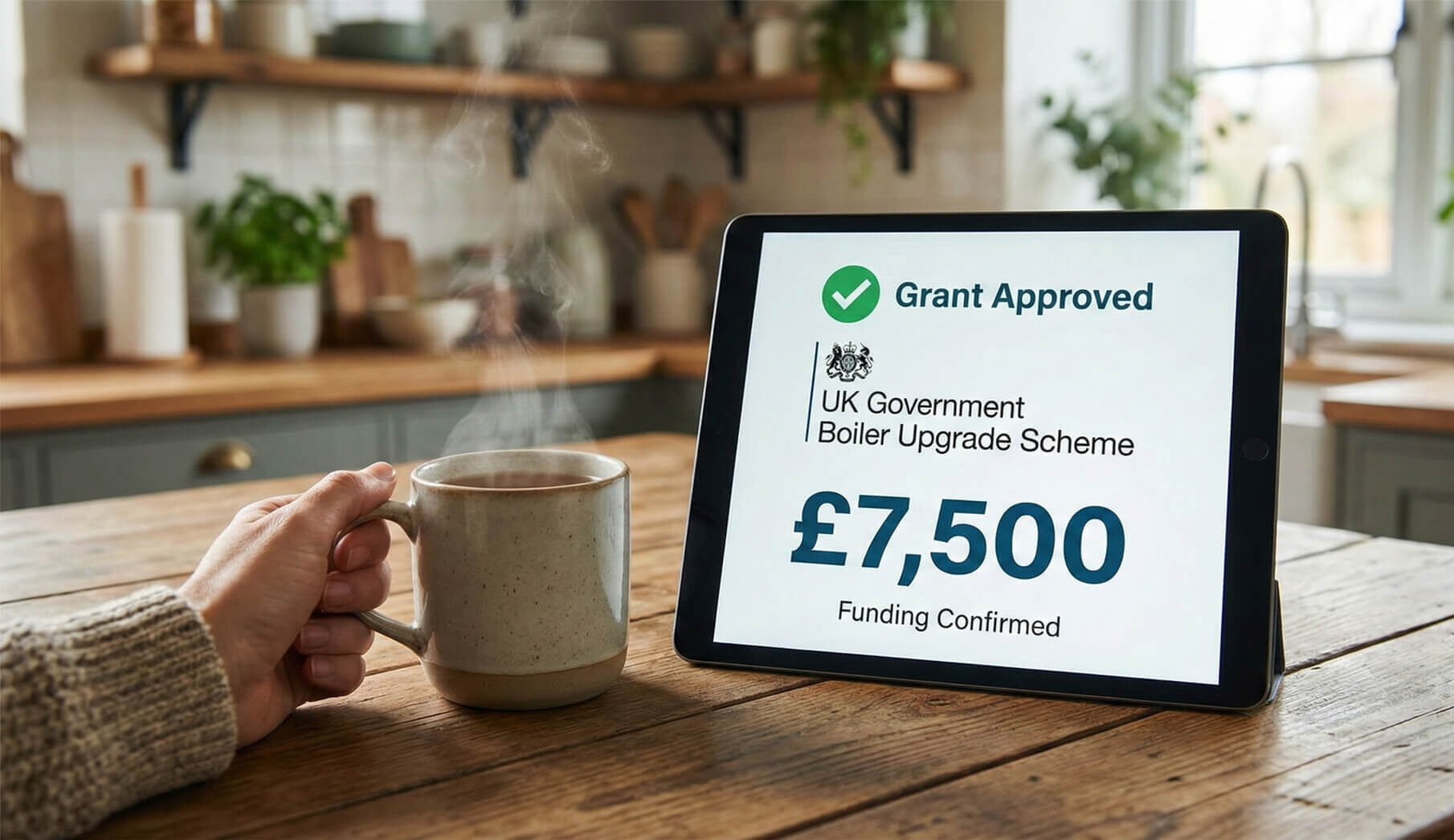
It wasn’t until she sat down with her neighbour, who was already undergoing an Improveasy consultation, that her biggest questions were answered. Hearing how well the system worked for others and discovering that the government’s £7,500 Boiler Upgrade Scheme (BUS) grant takes away up to two-thirds of the upfront cost, gave her the ultimate confidence to take the leap.
‘You can have lots of doubts and lots of sort of myths about what might go wrong and what, and I just don’t think that’s true.’
Air Source Heat Pump Efficiency
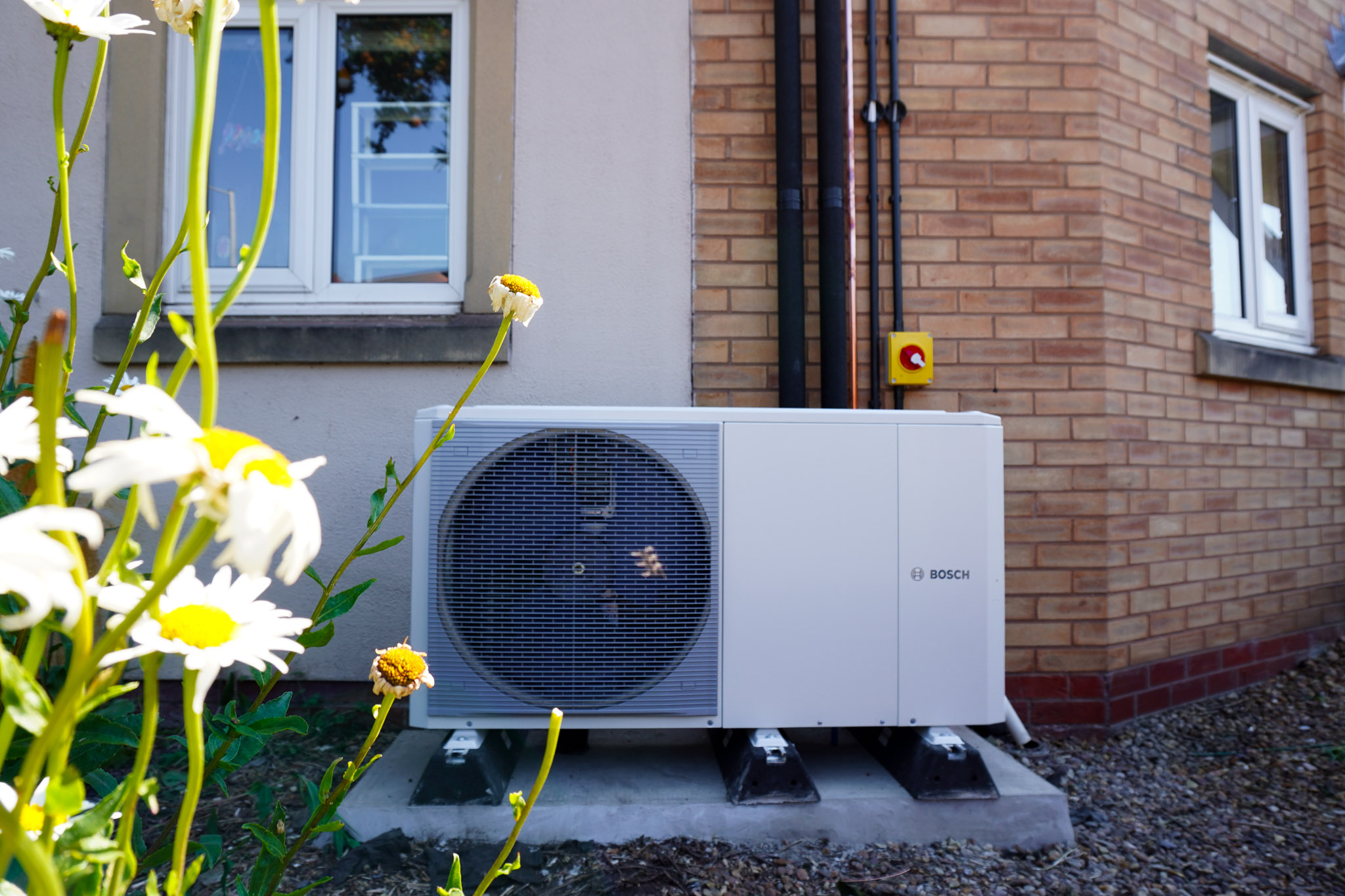
The Worcester Bosch Compress 2000 air source heat pump we installed at Karen’s property has a Seasonal Coefficient of Performance (SCOP) ranging from 4.5 to 5.0 depending on the specific output size and operating temperature. Because it transfers thermal energy from outdoor air rather than burning fuel, it operates at roughly 350% to 500% efficiency.
A top-spec modern condensing gas combi boiler operates at roughly 92% to 94% efficiency under ideal conditions due to energy lost through exhaust gases out of the flue.
A Worcester Bosch air source heat pump is roughly 4x more energy-efficient than a standard gas combi boiler.
Air Source Heat Pump Running Costs
‘You’re not just heating the room, but you’re heating the bricks so the bricks stay warm in winter… whereas you’re always starting from a cold house in the beginning.’
Karen hits on a crucial concept of how heat pumps interact with the physical fabric of a building. While gas boilers and heat pumps both keep homes warm, they operate on completely different physics.
Traditional combi boilers blast water at high temperatures (65° to 75°) to quickly heat the air in a room. When the boiler turns off, the air cools down, and cold walls/bricks absorb that heat right out of the room. Every time the heating turns back on, the boiler works extremely hard from a cold start to reheat both the air and the cold building structure.
An air source heat pump runs on a low-and-slow approach (35° to 55°). Because it runs continuously, it slowly “charges” dense structural materials – like brick inner leaves, plaster, and concrete floors with low-grade heat.
The bricks themselves act like a giant, low-temperature thermal battery. Once the masonry reaches a steady temperature, it holds that heat energy and radiates it back into the living space. The heat pump then only needs a tiny fraction of energy to “top up” the temperature rather than starting from zero.
Air Source Heat Pump Cost
‘There’s a significant grant, so it takes two-thirds of the cost away nearly.’
In the UK, the total cost to buy and install a typical domestic air-to-water air source heat pump ranges between £8,000 and £15,000 before grants, with the average 3-bedroom home coming in at around £11,000 to £12,500.
However, with government incentives, the out-of-pocket cost is much lower.
Under the government’s Boiler Upgrade Scheme (BUS) in England and Wales, homeowners replacing an existing fossil fuel heating system (gas or LPG) can access a £7,500 grant towards an air source heat pump. Households on heating oil can access a further £1,500 for a £9,000 grant. Heat pump installations are also subject to 0% VAT.
‘The cost is much, much less than you imagine it’s going to be to have it installed’
Air Source Heat Pump vs. Combi Boiler
| Feature | Air Source Heat Pump (Worcester Bosch Compress 2000 AWF) | Standard Gas Combi Boiler |
| Upfront Unit + Install | £10,000 – £13,000 (typical 3-bed) | £1,800 – £3,500 (like-for-like swap) |
| Government Grant (BUS) | -£7,500 | £0 (No grants for standard fossil fuel boilers) |
| Net Out-of-Pocket Cost | £2,500 – £5,500 | £1,800 – £3,500 |
| Energy Efficiency | 350% – 500% (SCOP 3.5 to 5.0) | 92% – 94% |
| ErP Rating | A+++ (at 35°C flow) | A |
| Heat Distribution | Continuous “low & slow” | Intermittent high-heat bursts |
| Flow Temperature | 35°C – 55°C (low temperature) | 65°C – 75°C (high temperature) |
| Hot Water Setup | Requires a hot water cylinder | Heats water on demand |
| Typical Lifespan | 15 – 20+ years | 10 – 15 years |
| Carbon Footprint | Zero direct emissions (100% renewable capability) | Direct gas combustion emissions |
Air Source Heat Pump Carbon Footprint
‘I’m looking forward to it being much cheaper, more efficient, and just feeling like I’m not contributing as big a part of global warming as I was.’
An air source heat pump cuts household heating carbon emissions significantly compared to a gas boiler. There is absolutely no burning of fossil fuels while they are running, moving electricity to heat from the outside air.
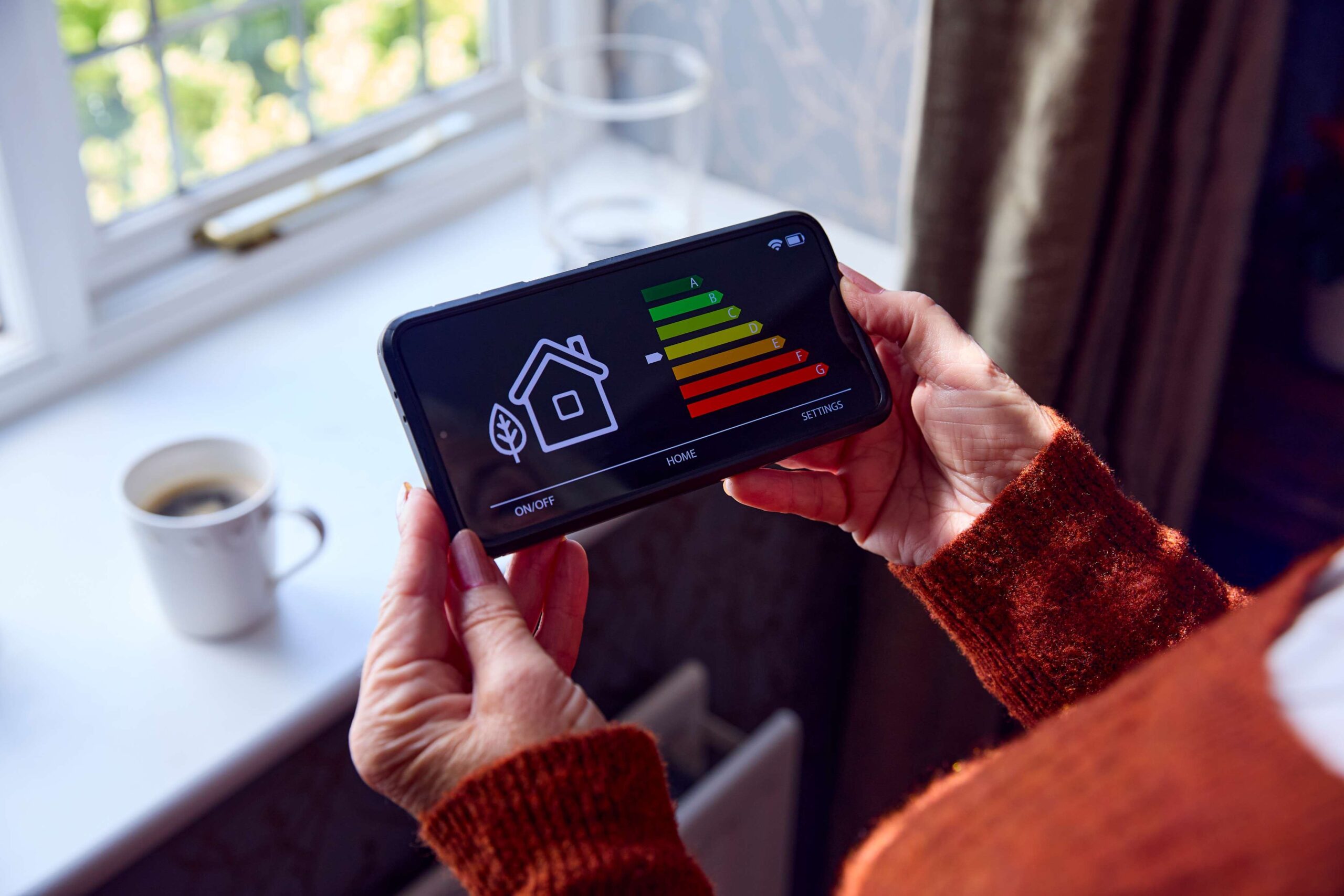
Switching from a gas boiler to an air source heat pump is one of the most effective ways to lower your home’s carbon footprint, cutting direct household heating emissions by up to 70–80% and saving around 1.5 to 2 tonnes of CO2 each year.
Because heat pumps run on electricity rather than burning fossil fuels, they generate zero direct emissions on-site. As the UK grid increasingly relies on wind and solar power, your heat pump automatically becomes cleaner over time – and pairing it with solar PV panels lets you heat your home and water with virtually zero-carbon energy.
Why Karen Recommends Improveasy
‘I really, really like Improveasy… the people are brilliant, absolutely brilliant’
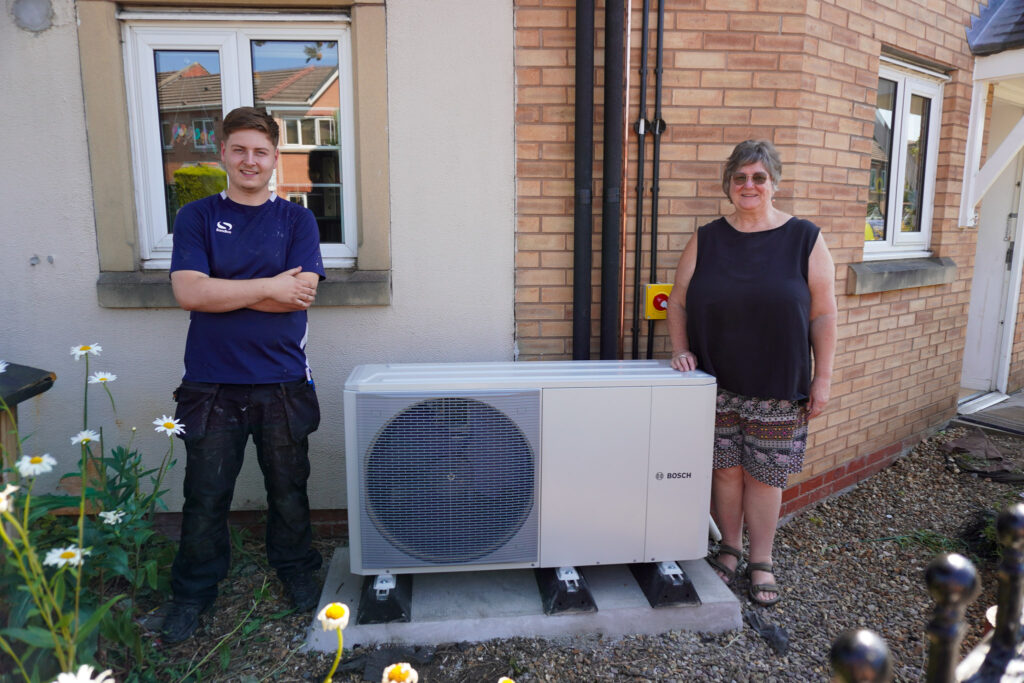
Karen recommends Improveasy because of their zero-pressure approach, genuine expertise, and considerate service. From the start, she appreciated that the team was completely transparent and focused on answering her questions rather than pushing a hard sale.
Once the installation began, the engineers stood out for being polite, remarkably clean, and proactive – constantly communicating to keep disruption to an absolute minimum while working around her daily routine.
Combined with how smoothly they helped navigate the upfront process, the team turned what could have been an overwhelming home renovation into a stress-free, straightforward upgrade.
‘I can't wait to get started!’
Contact us today
Get in touch to discover how our energy solutions can lower your bills and improve your home.